Mapping the Invisible: How Ground Penetrating Radar Surveys Are Transforming the Field of Archaeology
In recent years, Ground Penetrating Radar surveys have emerged as a cutting-edge technology in multiple disciplines, notably in archaeology. This novel approach allows investigators to probe beneath the ground without invasive digging, uncovering hidden structures, historical items, and even human remains. As a result, GPR is changing how archaeologists approach their work, providing a quicker, affordable, and safe way to uncover the archaeological record.
The importance of GPR studies extends beyond the archaeological field. Their applications are wide-ranging, influencing the construction industry, engineering projects, environmental investigations, and inspections of infrastructure. The power to see subsurface features in actual time enhances decision-making and reduces risks associated with subsurface building and modifications. This article explores the different components of GPR techniques, presenting its advantages, uses, and consequences for forthcoming endeavors, while also addressing frequent misunderstandings and offering guidance for those thinking about this cutting-edge survey approach.
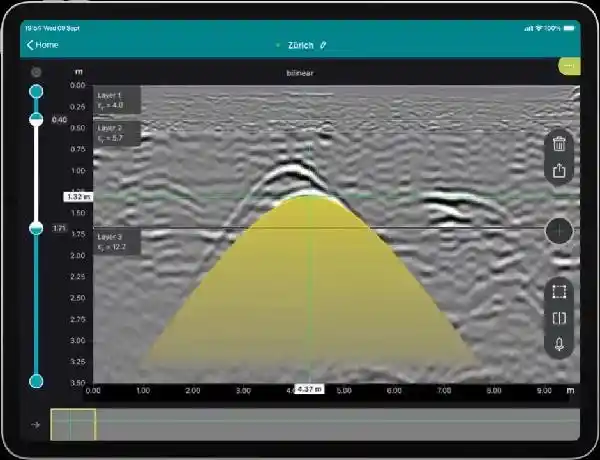
Comprehending Ground Penetrating Radar Surveys as well as Their Importance
Ground Penetrating Radar (GPR) surveys employ radar pulses for the purpose of visualizing the subsurface, which makes them a crucial instrument across diverse industries. The technology is particularly significant in the field of archaeology, where assists in identifying artifacts and remnants buried beneath layers of soil avoiding the need for invasive digging. By providing a non-destructive means of investigating archaeological sites, GPR boosts the chances of uncovering and protecting historical treasures while reducing harm to relevant sites.
The importance of GPR investigations extends beyond archaeology; they play a critical role in construction and engineering projects as well. With GPR Survey Stourport-on-Severn to identify underground utilities, soil structures, and possible hazards, GPR helps ensure that projects are executed safely and efficiently. This reduces the risk of accidents and expensive delays, making GPR surveys an vital part of the design and implementation phases in various construction endeavors.
GPR technology is constantly evolving, which further highlights its significance in modern applications. As industries increasingly seek innovative solutions for underground investigation, the adaptability and accuracy of GPR investigations position them at the leading edge of technological advancements. Knowing how GPR surveys work and the benefits sets the foundation for GPR's application in varied fields, eventually leading to a more knowledgeable approach to project planning and execution.
Uses and Advantages of Ground Penetrating Radar in Various Fields
Ground Penetrating Radar has established itself as a crucial instrument across various industries, boosting the potential to map and map subsurface features without intrusive procedures. In the construction and infrastructure industries, GPR is critical for identifying underground utilities and assessing the subsurface conditions before excavating commences. This not only helps in avoiding accidental damage to current structures and also aids in organizing increasingly productive plus more secure building projects. By go to website what lies below the surface, engineering teams and contractors can optimize their blueprints and reduce the chances of setbacks.
In archaeology, the use of GPR have revolutionized the way archaeological sites are investigated and assessed. Researchers can uncover important artifacts and remains besides not disrupting the site, permitting them to acquire data that was once hidden. This gentle technique not just protects the authenticity of archaeological sites and also paves the way for further thorough studies by permitting researchers to identify trends and features within the ground that might point to human presence in the past. The tool helps analyze historical environments and contributes to a deeper comprehension of past cultures.
Environmental and environmental assessments also gain from greatly from GPR technology. It assists in mapping pollution sources, reviewing landfill sites, and examining the stability of rock structures. By providing high-resolution images of underground conditions, GPR aids in influencing informed decisions related to site assessments and contamination clean-up efforts. This not just boosts effectiveness while also supports adherence with environmental regulations, guaranteeing that potential hazards are mitigated beforehand. Overall, this technology serves as a essential tool across these fields, producing enhanced findings, cost savings, and heightened security.
Future Developments and Insights for Ground Penetrating Radar Survey Technology
As GPR technology continues to evolve, one of the most significant developments is the incorporation of sophisticated data processing and analysis techniques. Machine learning and AI are being increasingly applied to enhance the analysis of GPR data. These advancements enable more accurate mapping out of underground structures and provide greater insights into the complex below ground conditions. By automating the analysis process, projects can function more efficiently, reducing the duration required for data interpretation.
Another notable development is the downsizing and portability of GPR systems. Compact and lightweight GPR systems are being developed, allowing for simpler deployment in challenging environments and reducing the need for extensive site preparation. This enhanced portability enables assessments in formerly inaccessible areas, expanding the scope of potential uses, from urban settings to isolated locations. As tech advances, these portable devices will likely transform into more user-friendly, making GPR accessible to a larger range of operators, including smaller companies and consultants.
Finally, as the demand for eco-friendly practices grows, GPR surveys will increasingly align with environmental considerations. The tech allows for minimal impact investigations, reducing disruption to the site and surrounding ecology. In civil engineering and building, GPR can assist with the planning and execution of initiatives in an eco-conscious manner. This trend will not only foster regulatory compliance but also enhance public trust and belief in construction development projects.